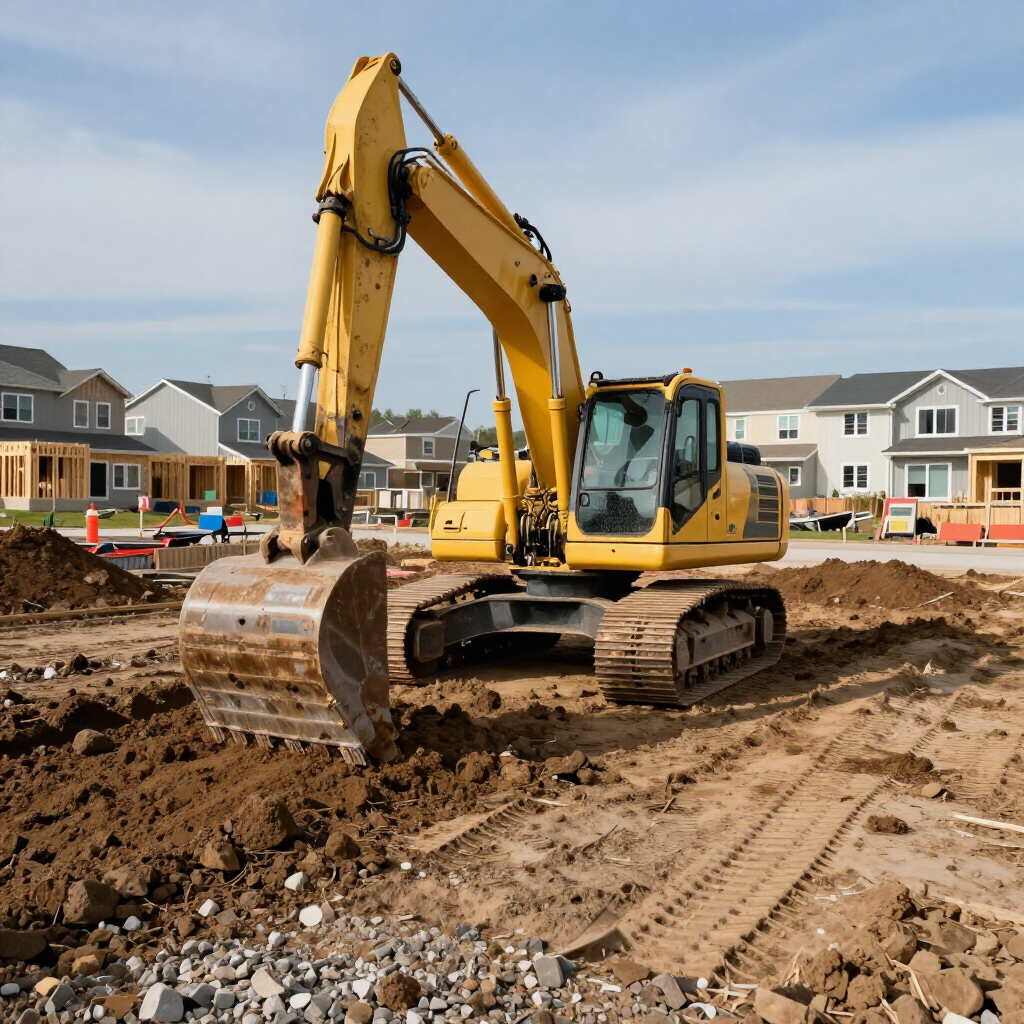
Do You Need a Retaining Wall? Signs Your Property Might Benefit From One
Retaining walls are more than just a landscaping feature — they play an important role in supporting soil, managing drainage and improving the long-term stability of residential properties.
On the Gold Coast, many homes are built on sloping or uneven blocks, making retaining walls a practical solution for both structural support and usable outdoor space.
If you’re planning a new build, landscaping project or property upgrade, here are some common signs your property may benefit from a retaining wall.
1. Your Block Has a Slope or Uneven Ground
One of the clearest signs you may need a retaining wall is a sloping block.
Without proper support, soil on sloped land can gradually shift or erode over time — especially during heavy rainfall. Retaining walls help stabilise the ground and create level areas that are safer and easier to use.
They’re commonly installed to support:
- House pads
- Driveways
- Pool areas
- Garden spaces
- Shed pads
- Side access pathways
A retaining wall can also help maximise the usable space on your property by turning sloped sections into functional flat areas.
2. You’re Experiencing Soil Erosion
If you notice soil washing away after rain, this may indicate erosion issues on your property.
Common signs of erosion include:
- Exposed tree roots
- Soil movement
- Uneven ground
- Muddy runoff
- Loss of garden or lawn areas
Over time, erosion can impact landscaping, drainage and even nearby structures if left untreated.
A properly constructed retaining wall helps contain soil and minimise movement during wet weather conditions.
3. Water Drainage Is Becoming a Problem
Poor drainage is one of the biggest causes of long-term property damage.
When water is not properly managed, it can lead to:
- Water pooling
- Soil instability
- Pressure build-up behind slopes
- Damage to landscaping
- Foundation movement
Retaining walls are often designed alongside drainage solutions to help direct water away from structures and reduce pressure on the surrounding ground.
Proper drainage planning is essential to ensure the retaining wall performs effectively over time.
4. You’re Installing a Pool or New Outdoor Area
Major outdoor projects often require retaining walls as part of the site preparation process.
If you’re installing:
- A swimming pool
- A driveway
- Outdoor entertaining areas
- Landscaping features
- A shed or granny flat
Your site may need retaining support to create safe and stable levels.
Retaining walls can also improve the overall appearance of outdoor spaces by creating cleaner lines and more structured landscaping.
5. Cracks or Ground Movement Are Appearing
In some cases, signs of soil movement may already be visible around the property.
This can include:
- Cracking in paved areas
- Shifting garden edges
- Sinking sections of land
- Movement near fences or structures
These issues can become more serious if the underlying soil is unstable.
Addressing the problem early with the correct retaining solution can help prevent further movement and protect the surrounding property.
Choosing the Right Retaining Wall
Every site is different, which is why retaining wall construction should always consider:
- Site levels
- Soil conditions
- Drainage requirements
- Load pressure
- Long-term stability
At South Coast Construction and Civil, we construct durable block retaining walls designed to support residential properties across the Gold Coast. With more than 30 years of industry experience, we understand the importance of getting the groundwork right from the beginning.
Final Thoughts
Retaining walls are often an essential part of residential site preparation — especially on sloping or uneven properties. They help improve safety, prevent erosion and create stable, usable outdoor areas that stand the test of time.
If you’re unsure whether your property requires a retaining wall, South Coast Construction and Civil can assess your site and provide practical advice tailored to your project.
Contact our team today to discuss your residential earthworks and retaining wall requirements across the Gold Coast region.